
West Nile Virus in Denton TX: How to Prevent Standing Water
Denton County residents advised to reduce stagnant water around homes Clogged gutters, flowerpots, pooling water around
Press Release Disclaimer: This is a press release distributed through the XPR Media network. It has not been independently verified by our newsroom.
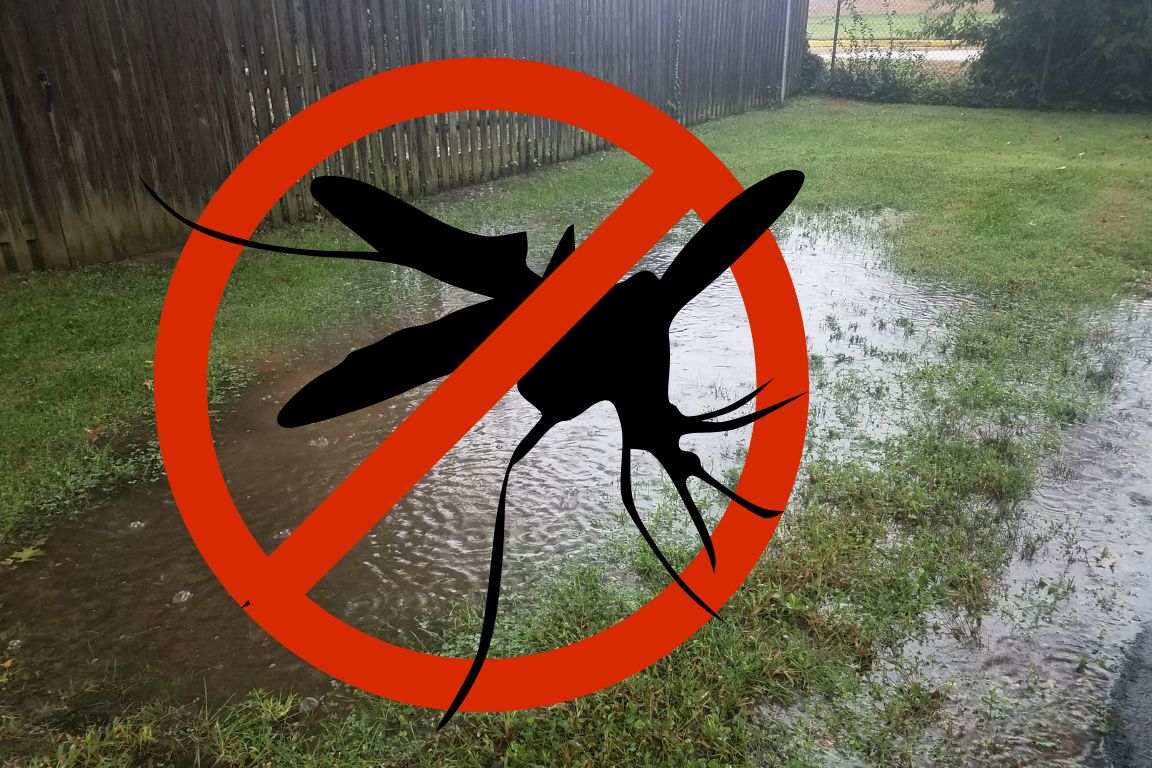

Denton County residents advised to reduce stagnant water around homes
DENTON, TX, UNITED STATES, October 18, 2026 /EINPresswire.com/ — As the Denton County website posts guidelines to protect its residents against West Nile Virus infection, homeowners are seeking ways to eliminate the most common breeding ground for infected mosquitos- standing water.
On October 13, 2026, Denton County Public Health (DCPH) reported the county’s sixth case of West Nile Virus this year. Four such cases have appeared since August 28th.
Its public safety notice listed removal of standing water as the best step to “minimize the risk of contracting WNV”. Female mosquitos of the Culex species- which transmits West Nile Virus- need stagnant water to lay and hatch eggs.
Understanding how to drain standing water from Denton County properties is vital to fighting West Nile Virus transmission, especially as the region faces a significantly wetter El Niño season in late 2026.
“The risk gets greater the closer you get to your house,” explains Responsible Master Plumber Steven Smith (RMP-43457) of Mother Modern Plumbing’s Denton office. “Clogged gutters, flowerpots, pooling water around the foundation- it’s much easier for standing water to collect near the home.”
The existence of standing water near concrete foundations also creates the risk of foundation settling and slab leaks in Denton area homes, a threat Smith and his team know all too well.
“We advise homeowners to drain water away from the slab to keep foundation issues at bay,” Smith says. “Lowering the transmission rate of West Nile is an added bonus this year.”
Smith notes the importance of turning over buckets, planters, flowerpots, tires and wheelbarrows after a heavy rain, especially in the fall. This allows stagnant water to drain through the soil, which is pitched away from the foundation.
Scheduling fall gutter cleaning is also important. “More rain means more leaves and debris in the gutters,” Smith says. “Have your gutter pros clear the downspouts as well, and make sure they’re pointed safely away from the foundation to avoid standing water.”
Smith also addresses a plumbing-related symptom many online guides miss. “Check for soggy patches or bad-smelling puddles right above your buried sewer line,” he directs. “These indicate cracks in the sewer line. They give mosquitos a really attractive place to lay eggs.”
A study published by the National Institute of Health (NIH) found that reducing all sources of standing water on a property reduced the West Nile Virus transmission rate by over 99%. Even moderate reduction of stagnant water reduced transmission by 90%.
Until the local threat of West Nile Virus subsides, Denton County homeowners are advised to wear long sleeves and pants in their yards. Residents can visit DentonCounty.gov/WNV for mosquito maps, and should call Mother Modern Plumbing with any concerns regarding standing water near the foundation or main sewer line.
Matthew Silkwood
Mother Modern Plumbing
+1 979-220-1702
Visit us on social media:
LinkedIn
Instagram
Facebook
YouTube
Legal Disclaimer:
EIN Presswire provides this news content “as is” without warranty of any kind. We do not accept any responsibility or liability
for the accuracy, content, images, videos, licenses, completeness, legality, or reliability of the information contained in this
article. If you have any complaints or copyright issues related to this article, kindly contact the author above.

Media gallery


